





Togo Travel Guide
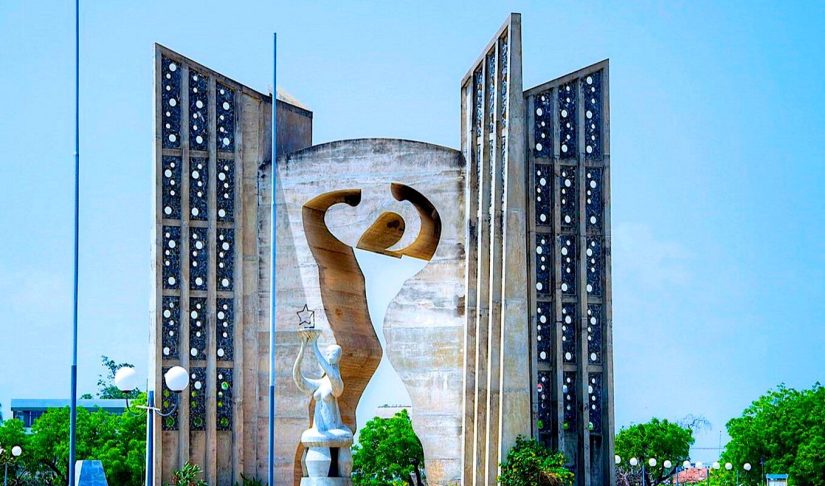
Gine With its gulf coastline, tropical landscapes, and rich culture, Togo is an ideal destination for travelers looking to explore West Africa with a gentle introduction. The vibrant markets of the capital, Lomé, the verdant hills of Kpalimé, the traditional festivals of the Kara region, and the spiritual atmosphere along the shores of Lac Togo make Togo instantly unforgettable. The official language is French, and the currency is Western Europe. Africa CFA franc (XOF). With its friendly people and slow-paced daily life, a journey in Togo turns into a story at every step.
Headlines
When to Go to Togo?
Togo has a tropical climate. The coastal area (Lomé and surrounding areas) experiences two rainy seasons: April–July and September–October. December–March on the coast is drier and more comfortable for sightseeing. In the interior (Kpalimé, Kara), rainfall is more pronounced; the post-rainy periods are lively for waterfalls, but the roads can be muddy. If you're looking for a festival calendar, the Evala wrestling festival in July and the Agbogboza festival in autumn are the perfect time to experience Togo's culture up close.
How to Get to Togo?
TurkeyThere are no direct flights from to Togo; most passengers arrive at Lomé–Gnassingbé Eyadéma Airport (LFW) Europe (Paris, Brüksel) or via regional centers (Addis Ababa, Abidjan, Cotonou, Accra). Bus and minibus companies are common for intra-regional travel; Ghana (Aflao border) and Benin It's possible to enter Togo by road via Hillacondji. Within the country, motorcycle taxis, shared taxis, and minibuses are the most practical options; patient planning is essential for long distances on the north-south line.
What to Do in Togo?
- Chase the colors at the Lomé Grand Marché: Smell the scent of Togo's daily life with wax-patterned fabrics, spices and handcrafted goods.
- Tour Lac Togo and Togoville: Take a leisurely stroll on pirogues along the coast; see traces of traditional beliefs in Togoville.
- Waterfall and forest hike in Kpalimé: The Missahohé area and Womé Falls are breathtaking for nature lovers; visit the cocoa and coffee farms.
- Trekking in and around Mount Agou: Misty forests and panoramic views at Togo's highest point.
- Discover Koutammakou (the land of Batammariba): The traditional clay-turu tower houses in the north offer a unique architectural experience.
- Sunset on Lomé beach: Grab a cocktail and watch the Atlantic roll in; live music and DJs are common on weekends.
- A quiet break on the shores of Aneho: Watch the fishing boats accompanied by the sound of the waves, ideal for photography.
- Catch Evala wrestling in Kara: Traditional initiation rituals and local rhythms delve into the heart of Togolese culture.
- Visit Fazao–Malfakassa National Park: Explore nature with bird watching and a light safari experience.
- Participate in craft workshops: Create your own souvenirs from Togo with batik painting or beading workshops.
What to Eat in Togo?
Togolese cuisine EgyptThe cuisine revolves around cassava and plantain. Fufu (cassava/plantain puree) and pâte/akume (corn porridge) are the most common accompaniments, along with spicy tomato sauces, peanut or okra stews, and gboma (spinach dip). Street food highlights include yovo doko (mini fried dough), grilled tilapia, and spicy koklo breast (grilled chicken). Try the local fermented beverage tchoukoutou (millet beer) and sodabi, made from palm wine. For a deeper dive into Togolese cuisine, check out our article on What to Eat in Togo—we're mapping out the flavors one by one.
What to Buy from Togo?
Wax-patterned fabrics, batik products, beaded jewelry, carved wooden masks, and cocoa and coffee beans are among the best souvenirs you can buy from Togo. Bargaining is common at Lomé's Grand Marché and seaside markets; for quality textiles, you can even bring your fabric to a sewing workshop and have a custom design made the same day. Don't pack your suitcase without checking out our What to Buy in Togo guide, where we've compiled shopping suggestions.
Togo Nightlife
Lomé is the heart of Togo's nightlife. Sunset rituals are held at beach bars along the coast, clubs playing Afrobeat and highlife in the city center, and "maquis" venues with live music on weekends are prominent. Stay in safe areas in the evenings and opt for taxis or ride-hailing apps for your return. Our Togo Nightlife article offers our favorite bar and club recommendations—get in the groove!
Togo Festivals and Fairs
| Event/Festival | Ay | DESCRIPTION |
|---|---|---|
| Evala (Black) | Temmuz | Traditional youth wrestling and initiation rituals are among Togo's most striking cultural experiences. |
| Agbogboza (Notsé) | Sept | A festival dedicated to the history of the Ewe people, celebrated with parades and dances. |
| Voodoo & Local Rituals | All year round | Rituals of different communities in Lac Togo and the interior regions, accompanied by drums and dance. |
| Foire Internationale de Lomé (FIL) | November–December | One of the most well-known trade fairs in the region; handicrafts, gastronomy and cultural events. |
Togo Important Days and Holidays
| Date | Events |
|---|---|
| January 1 | New Year |
| January 13 | Liberation Day (national commemoration) |
| 27 April | Independence Day |
| 1 May | Labor and Solidarity Day |
| Variable | Easter Monday, Ascension of Jesus Christ, Pentecost Monday |
| 15 August | Assumption of Mary |
| 1 November | all saints day |
| Variable | Eid al-Fitr (Eid al-Fitr) |
| Variable | Eid al-Adha (Eid al-Adha) |
| 25 Range | Noel |
Things to Consider When Traveling to Togo
- Visa & vaccination: A yellow fever vaccination card (Yellow Card) is usually required; check current requirements before travel.
- Health: Preventive medicine for malaria and mosquito protection; consume bottled water and pay attention to hygiene when eating street food.
- Money & payment: XOF cash is common; ATMs are available in major cities, but may be limited in the north. Carry small bills.
- Language: French is valid; learning basic greetings makes communication easier.
- Transportation safety: Avoid long distances at night; ask for a helmet in motorcycle taxis.
- Cultural sensitivity: Ask permission before taking photos at religious/local ceremonies; be friendly and respectful when bargaining.
- Climate and clothing: Lightweight, breathable clothing; a light raincoat and quick-drying shoes during rainy season.
- Connection & line: Local SIM card is economical; long-distance coverage may not always be strong.
Togo is a small but multifaceted country, capable of experiencing the salty breeze of the coast and the humid scent of the jungle all in the same day. The rhythm of Lomé, the greenery of Kpalimé, the ceremonies of Kara, and the spiritual atmosphere of Togoville combine to create a warm portrait of West Africa. If you're looking for a blend of exploration, culture, and nature, the Togo itinerary is perfect for you. Shall we go? Be sure to read our article on Places to Visit in Togo to complete your inspiration map!
PREVIOUS TOPIC
NEXT TOPIC

Write a Comment
Visitor Comments - 0 Comments